Native Student Engagement
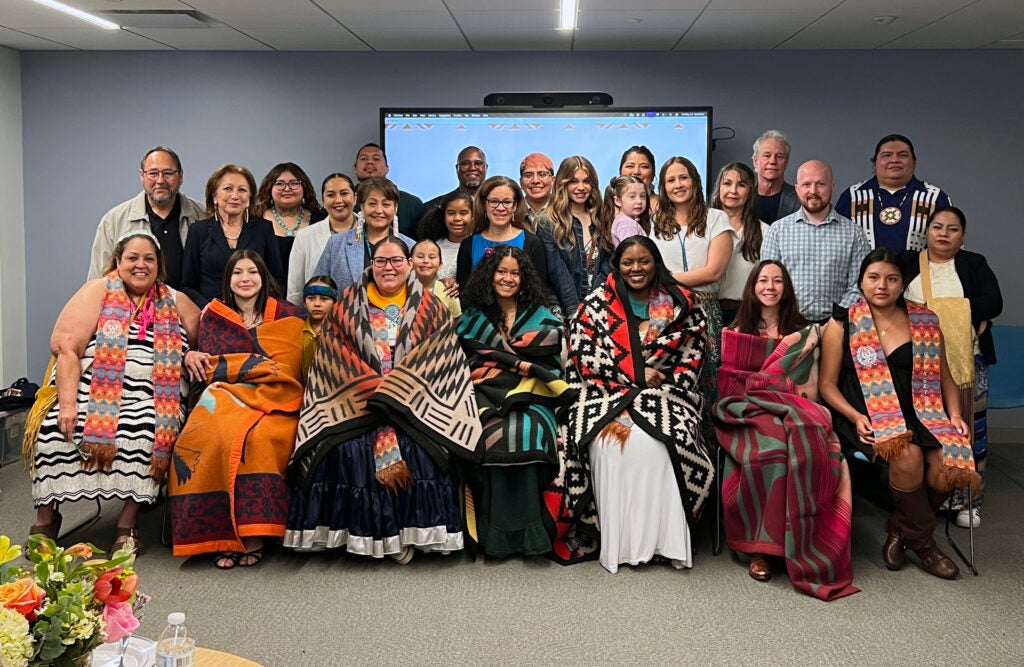
2026 Indigenous Graduation Celebration
The Native Student Engagement program is dedicated to creating and nurturing a sacred space of belonging, healing, holistic support, and connection for Native American and Indigenous students from the Americas.
The program focuses on fostering a sense of home on campus where students can celebrate their spirituality, share identities and traditions, build supportive relationships, and thrive both academically and personally.
Community
Events and gatherings organized by the Fellows and Student Assistants to build connection among Native students. If you’re interested in any of the programs below, or interested in becoming involved, email us at nativestudentengagement@georgetown.edu.
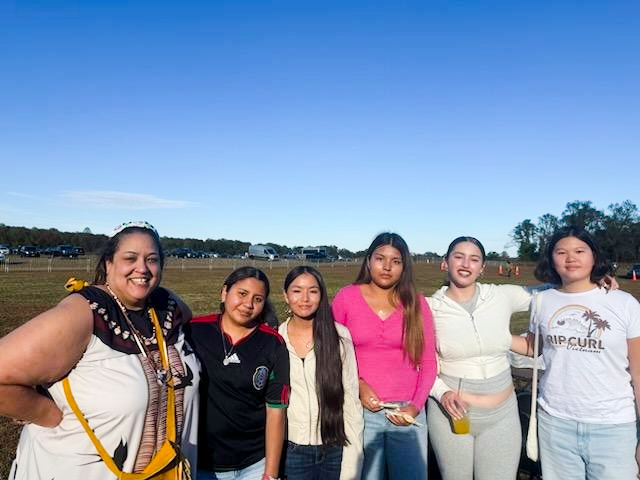
Annual American Indian Festival
Each year, we travel to Patuxent River Park in Croom, Maryland for the American Indian Festival, a celebration of Native American culture, heritage, and tradition that highlights the traditions of East Coast tribes. The free festival brings diverse Native communities together to share their cultural legacy and foster unity, understanding, and appreciation of Native American heritage. We provide transportation and lunch for students traveling from the Hilltop and Capitol Campus.
Photo: American Indian Festival, Patuxent River Park
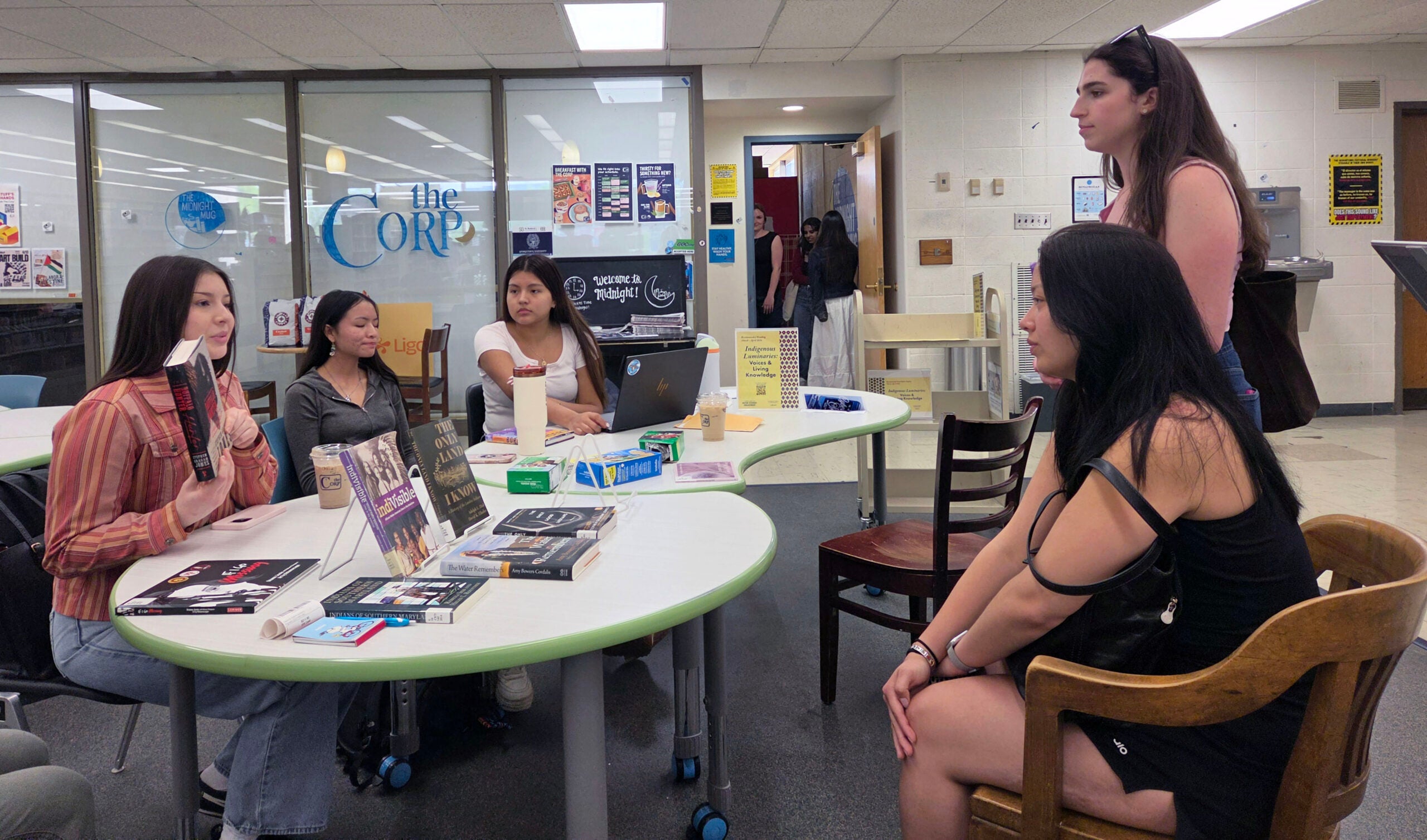
Coffee Chats
Join us for a Coffee Chat. Enjoy a free cup of coffee or your beverage of choice while connecting with the community. Coffee Chats are a way to connect with our Native population on campus. In an often isolating and bustling space, we welcome you to sit down with our team for an informal conversation, whether that means voicing your concerns, hopes, and needs, or just hanging out. Some Coffee Chats are reading groups, while others are one-on-one conversations you can schedule directly with a Fellow.
Photo: Recommended Readings Coffee Chat
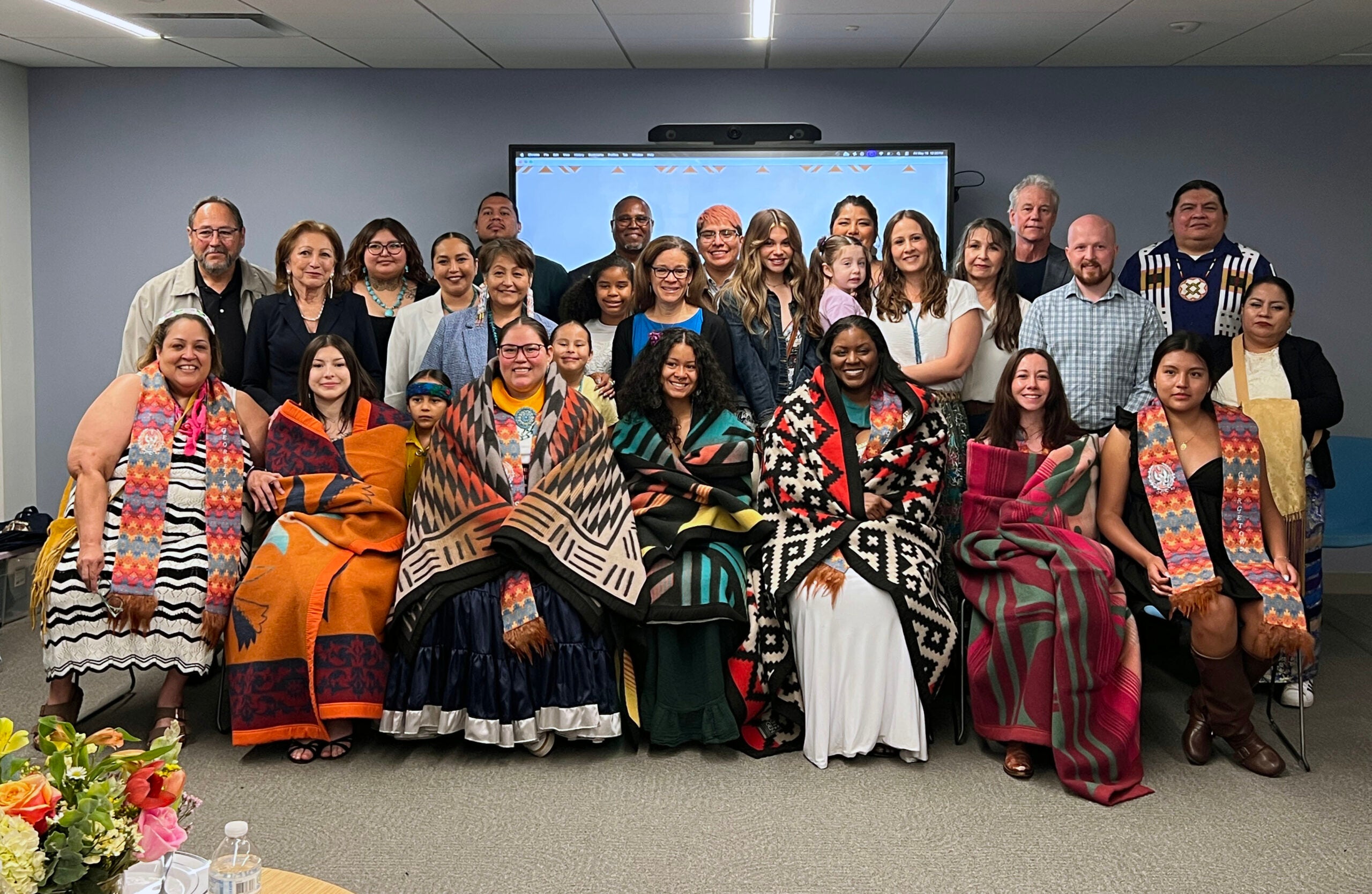
Indigenous Graduation Ceremony
Each year, we honor Native graduates with a Blanket Ceremony, a sacred tradition rooted in Indigenous values of community, respect, and cultural continuity. Graduation is understood not as an individual achievement but a collective one, shared by elders, family, mentors, and ancestors. As each graduate is wrapped in a blanket, the act symbolizes protection, strength, and the support of the community carrying them forward.
The ceremony is a time to honor each graduate’s whole self, their identity, spirit, and story, and to send them forward with the teachings and hopes of those who came before, as they help build a stronger path for generations to come.
Photo: 2026 Indigenous Graduation Celebration
Partners
Native Student Engagement (NSE) collaborates with departments and organizations across Georgetown to create space for Native voices, culture, and knowledge on campus. Interested in partnering with NSE? Please email nativestudentengagement@georgetown.edu.
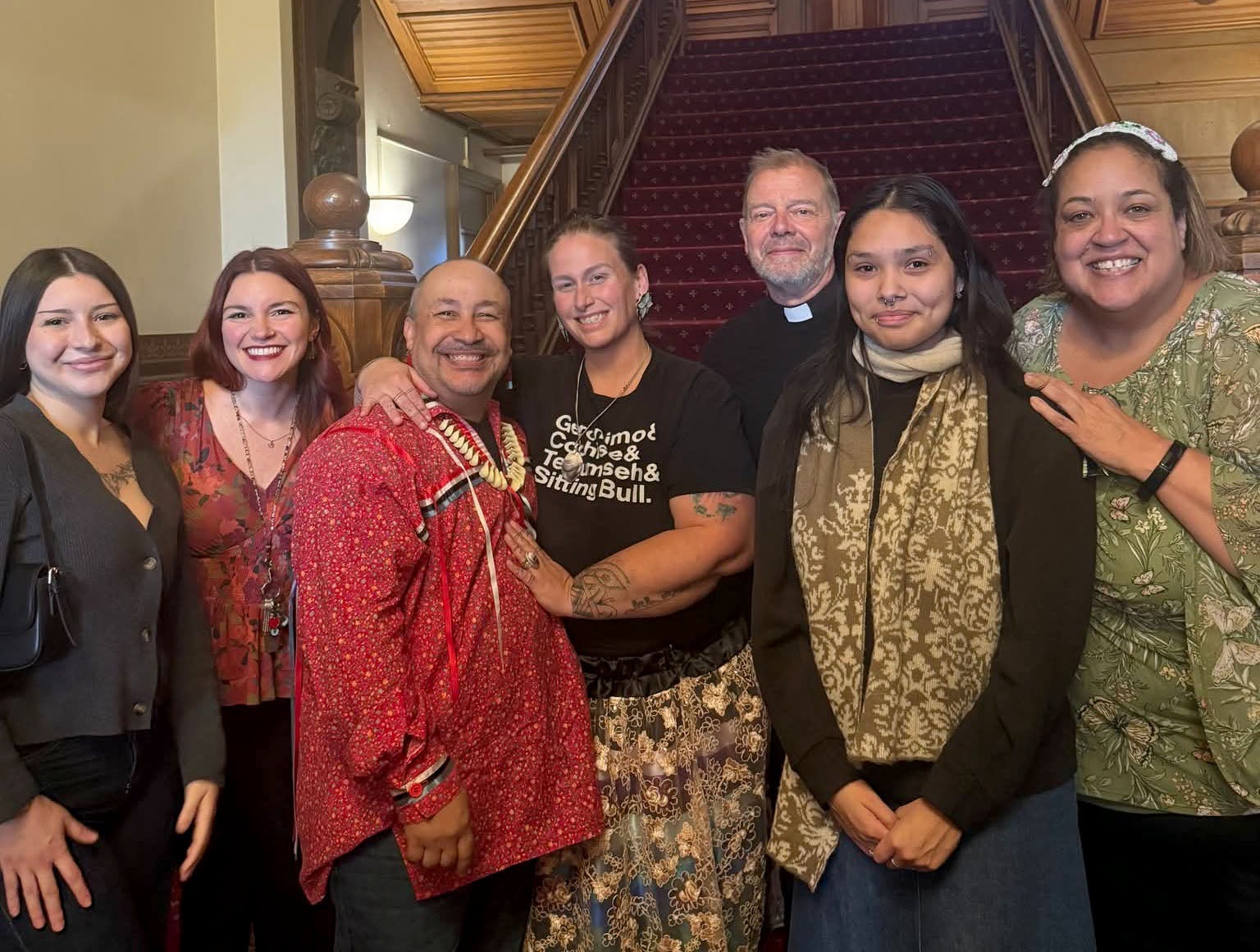
Chaplains’ Tea: Indigenous Peoples’ Day
Each year, we partner with Campus Ministry for Chaplains’ Tea in the Healy Hall foyer, celebrating Indigenous Peoples’ Day. It’s a relaxed gathering where students, chaplains, and staff connect over conversation. Following Tea, we offer the Interfaith Prayer for Peace and Justice in Dahlgren Quad. Stop by to meet us and learn more about our work on campus.
Photo: Chaplains’ Tea, Indigenous Peoples’ Day, 2025
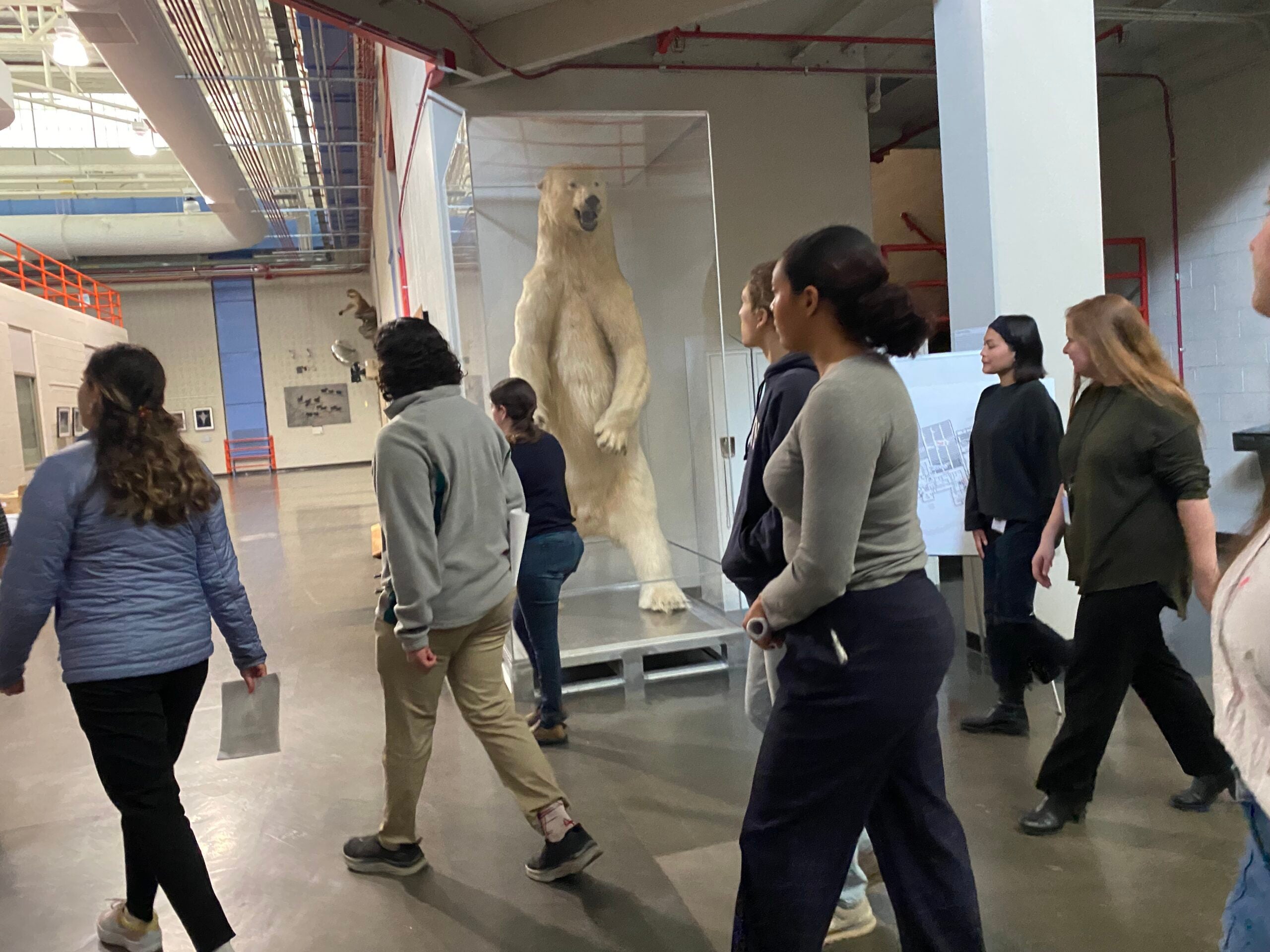
Circle of Indigenous Students Alliance
The Circle of Indigenous Students Alliance (CISA) is a group of dedicated Native Americans and allies interested in discussing and promoting tribal affairs, culture, and policies affecting Native American communities. We participate in political, health care, education, cultural, and community service activities throughout D.C. to further our organization’s goals. Email cisa@georgetown.edu to find out more.
Photo: At the Smithsonian Archives with the Circle of Indigenous Students Alliance.
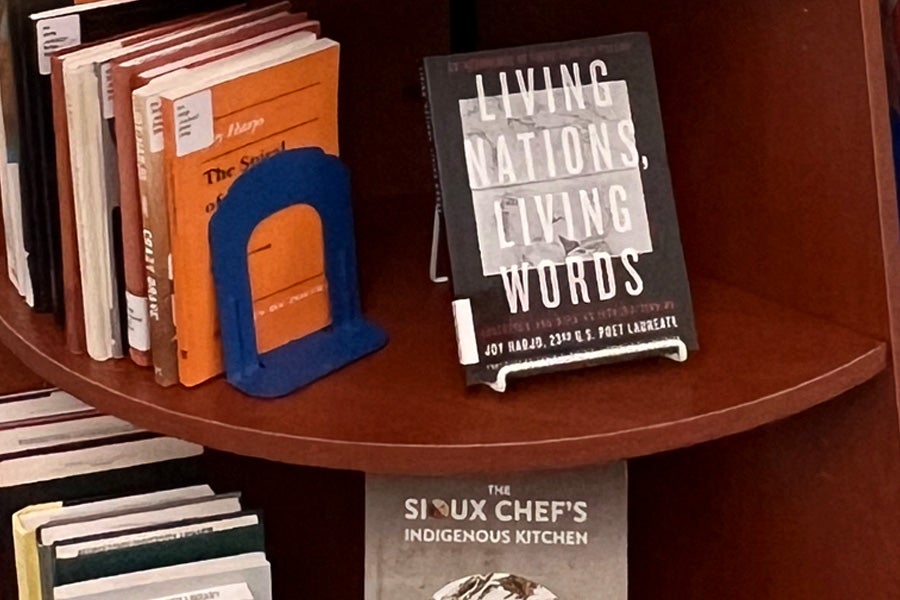
Lauinger Library: Recommended Readings
We partnered with Lauinger Library to curate Indigenous Luminaries: Voices and Living Knowledge, a book exhibit featuring work by Indigenous artists, poets, storytellers, and scholars, as well as selected scholarship by non-Native researchers on Indigenous histories and cultures. Together, these books highlight the power of storytelling, creativity, and research in shaping our understanding of Indigenous peoples and their ongoing presence. Visit Lauinger Library to explore the full list of recommended readings.
Photo: Indigenous Luminaries book display